
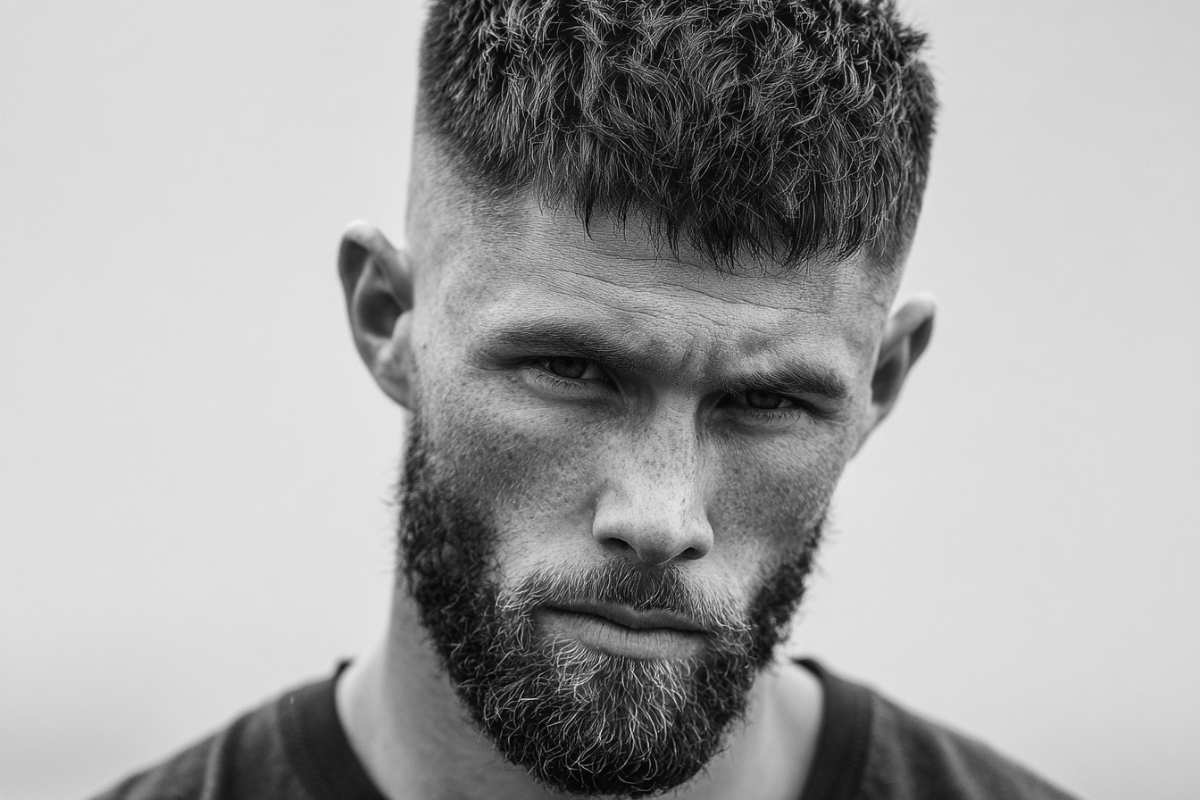
Most advice on how to grow a thicker beard promises more than it can deliver. That’s the whole problem.
Most of what gets promised, more follicles, overridden genetics, weak cheeks turning dense overnight, simply isn’t how facial hair works, more on exactly why further down.
But that doesn’t mean your beard is already a lost cause.
The mistake is expecting thickness before the beard has had enough time, length, and care to show what it can actually do.
Before chasing miracle beard growth products, start there.

In this article
Give the Beard Enough Time Before Judging It

Most men give up on their beard way too soon. That’s the actual problem, not the beard.
That’s one of the biggest reasons they think it can’t grow thicker.
The first few weeks can look rough. The chin might come in faster than the cheeks. The mustache might look stronger than the sides. One patch might look worse under bright bathroom light than it does in normal life.
That doesn’t always mean the beard is finished.
It means it’s early.
Four weeks is usually too soon to decide your beard is weak. At that stage, you’re often looking at uneven growth, not the final result.
I’d usually give it 12 to 16 weeks before making a serious judgement.
That doesn’t mean every patch will disappear. Some gaps are genetic. But you need enough time to see what you’re actually working with before you start trimming, lowering the cheek line, or shaving it all off.
Trimming too early is where a lot of men ruin the chance of a thicker-looking beard.
They panic, trim everything short, and the beard never gets enough length to build weight or coverage.
For me, the first step is simple.
Stop checking the mirror every six hours.
Let the beard grow long enough to show you what it can actually do.
Your Beard Can Still Change Well Into Your Twenties

It’s not just the weeks men rush. It’s the years.
Facial hair doesn’t finish developing at 18 or 20. For a lot of men, beard density keeps filling in through the mid-twenties, sometimes later. A patchy beard at 21 isn’t necessarily the beard you’re stuck with at 27.
That’s not a guarantee.
Some men do hit their genetic ceiling early, and no amount of waiting changes that. But plenty of men give up on a beard in their early twenties that would have filled in noticeably by their late twenties. They just never gave it the years, not just the weeks, to develop.
I’d treat your early twenties beard as a rough draft, not the final version.
If you’re under 25 and it still looks patchy after a proper 12 to 16 week trial, that’s useful information for now. It isn’t the verdict on what your beard looks like in five years.
Stop Damaging the Beard You’re Trying to Grow
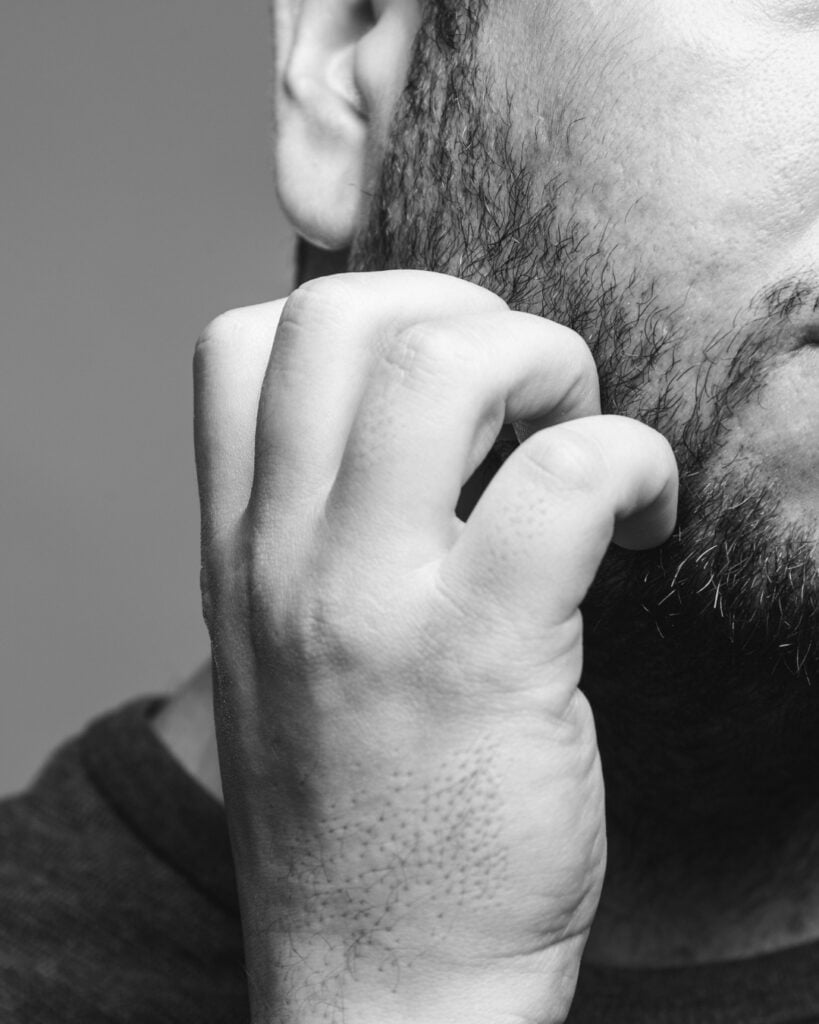
Before you blame your genetics, check you aren’t the one thinning out your own beard.
That happens more than men realize.
Harsh shampoo can dry the beard out. Aggressive towel drying can rough up the hair. Too much combing can cause breakage, especially if the beard is already dry or tangled.
Then the beard looks weaker, not because it stopped growing, but because the hair isn’t in good condition.
The skin underneath matters too.
If the skin is dry, itchy, or flaky, the beard usually looks worse. Scratching at it, over-washing it, or ignoring the irritation can make the whole beard area feel rough and messy.
This is where beard oil can help, but not because it grows new hair.
Use it properly. Work it down to the skin, not just over the outside of the beard. The goal is to keep the skin comfortable and the hair easier to manage.
Balm can help the beard hold its shape too, especially once it has some length.
But again, it isn’t a growth product.
For me, this is the point men miss.
You can’t control every follicle, but you can stop treating the beard badly while you’re trying to grow it thicker.
What You Eat and How You Sleep Actually Matters

Forget the vitamins for a second.
It’s about the basics most men skip before they ever reach for a supplement.
Hair is mostly protein. If your diet is actually short on it, that can show up as weaker, finer hair growth, including the beard. You don’t need a bodybuilder’s meal plan. You need consistent protein through the day, not just an occasional chicken breast when you remember.
Sleep matters more than most men expect.
Hair growth is a repair process, and repair processes work better when you’re actually getting rest. Chronic short sleep, five hours a night for months on end, isn’t neutral for hair the way people assume.
Stress is the other one men underestimate.
Prolonged, serious stress can affect hair growth cycles across the whole body, not just the skin on your head. A stressful week won’t ruin your beard. Months of poor sleep, poor diet, and high stress stacked together will do more damage than any beard oil can undo.
None of this guarantees a thicker beard.
For me, it’s the cheapest fix available before spending money on anything else. Genetics still sets the ceiling. But if the basics are actually neglected, fixing them is a better use of your time than trying yet another growth serum.
Make the Beard Look Thicker With Shape and Length

Want a thicker-looking beard without growing a single extra hair? It’s possible.
Sometimes it’s about not cutting away the hair that’s helping you.
That’s where shape and length matter.
If you keep trimming weak areas too early, they never get enough time to blend into the stronger parts of the beard. A patchy cheek can look worse at three weeks than it does at ten weeks because the hair hasn’t had enough length to overlap and soften the gaps.
The cheek line matters too.
Don’t keep lowering it every time you see a weak spot. That can make the beard look smaller, thinner, and less connected. Keep the cheek line realistic, but don’t carve it down so far that you remove the beard’s natural coverage.
The neckline is just as important.
Cut it too high and the beard loses weight under the jaw. That can make the whole beard look weaker, especially from the side.
For me, the goal is to keep bulk where your beard is strongest and shape around the weaker areas without exposing them more.
A good beard shape can make an average beard look fuller.
A bad one can make a decent beard look thin.
Be Honest About Beard Growth Products

Here’s where most beard advice stops being honest.
Beard oil doesn’t grow new beard hair.
Beard balm doesn’t grow new beard hair.
Brushing your beard won’t create follicles that aren’t there.
That doesn’t mean these things are useless. Beard oil can help the skin feel better. Balm can help control frizz and keep the shape looking neater. A brush can help spread product and train the beard direction slightly.
But none of that’s the same as growing new density.
Vitamins are the same. If you’re missing something important, fixing that may help your hair and beard health. But taking random beard growth vitamins won’t override genetics if your body already has what it needs.
I’d be even more careful with stronger growth claims, more on minoxidil and derma rolling specifically further down.
For me, the rule is simple.
If a product makes thicker beard growth sound guaranteed, I wouldn’t trust the promise.
A good beard routine can improve what you have.
It can’t invent a beard your face was never going to grow.
Minoxidil and Derma Rolling Deserve a Proper Answer

Minoxidil and derma rolling keep getting thrown in with beard oil and vitamins like they’re the same thing.
They shouldn’t be.
Minoxidil is a drug, not a cosmetic product. It’s applied to the skin. It’s thought to work by widening blood vessels and extending the growth phase of the follicle, though the exact mechanism for facial hair still isn’t fully settled.
It can actually produce more density in some men. That’s not a placebo effect.
But it comes with real conditions attached.
You apply it daily, often for three to six months, before you see anything. Most men get extra beard shedding in the first few weeks before anything improves. Stop using it and the new growth typically falls out over the following months.
It isn’t a one-time fix. It’s an ongoing commitment.
Side effects can include skin irritation, dryness, and unwanted hair growth if it spreads beyond where you applied it. Talk to a doctor or pharmacist before starting, especially with any heart or blood pressure conditions.
Derma rolling is a different story.
The theory is that the needles trigger a mild healing response, improving blood flow and product absorption in the skin. Some men report thicker-looking growth after weeks of consistent use.
But the evidence for facial hair specifically is thin. Mostly anecdotal, not backed by proper studies.
Used badly, it does more harm than good.
Roll too aggressively, use needles too long for the face, or skip cleaning the device properly, and you’re looking at irritation, micro-tears, or infection.
Neither of these is a casual grooming hack.
For me, that’s exactly why they get dismissed too quickly by some and oversold too aggressively by others. If you’re going to try either one, go in with a realistic timeline and a clear idea of what you’re actually signing up for.
The Beard Beasts Verdict
Want the honest answer on how to grow a thicker beard? Here it is.
You can’t guarantee new density.
Genetics, age, hormones, and follicle density all matter. No beard oil, balm, brush, or vitamin can promise to change that. Minoxidil is the one exception that can actually shift the outcome for some men, but only with real commitment and real risks attached, not as a quick add-on to your routine.
But you can still grow a thicker-looking beard by giving it years and not just weeks, looking after the basics like sleep and diet, stopping early trims, avoiding breakage, and shaping the beard around its strongest areas.
That’s where most men get better results.
Not from miracle beard growth products.
From giving the beard a fair chance and not sabotaging it halfway through.
For me, the goal isn’t to force a beard your face can’t grow.
The goal is to get the strongest, thickest-looking version of the beard you actually have.