
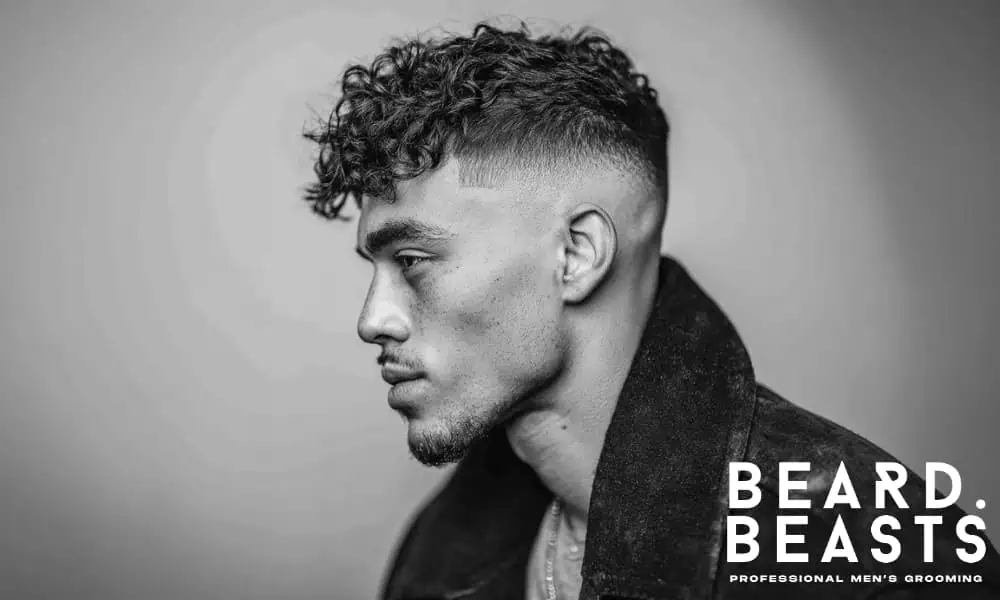
Textured crop haircuts are still everywhere, and that’s no accident. A good textured crop solves a lot of problems at once: clean sides, some life on top, and real shape without asking you to style it like a full-time job.
That’s why men keep coming back to it.
The mistake is thinking a textured crop is one haircut. It isn’t. Change the fade height, the fringe weight or the top length and it becomes a completely different cut. Some versions are sharp and easy to live with, some are too aggressive for most heads, and some look brilliant on thick hair but fall apart on weaker density.
A textured crop only works when the version matches the hair you’ve actually got. Pick the wrong one and it can look blunt, flat, or like you asked for something your hair was never going to deliver.

In this article
The Best Textured Crop Haircuts for Men
Below are 25 textured crop haircuts, along with what actually sets them apart.
Classic Textured Crop

Still one of the safest versions, and for most men that’s a compliment, not a criticism. The sides stay short and balanced, the top has enough breakup to avoid going flat, and the fringe sits forward without taking over.
It’s where I’d send most men first. It doesn’t lean on extreme contrast or trend-heavy details, which is exactly why it keeps holding up year after year.
Textured French Crop

Denser, tighter and more front-heavy than the standard crop. The fringe is more compact and more obvious, which makes the whole cut feel firmer from the front.
It pairs well with men who want something cropped and structured without going skin-fade aggressive. Just know that if your front density is weak, this version exposes it quickly.
Textured Crop with Fringe

This pushes more attention to the front. The fringe carries a bit more presence, but the texture keeps it from reading as solid or heavy.
It’s a smart pick if you want the haircut to soften the front hairline without stepping into full blunt-fringe territory. The risk is letting it get droopy, so the weight needs managing.
Textured Crop with a Skin Fade

The skin fade version runs hotter than most on this list. The fade wipes the sides right down, which makes the top and fringe stand out harder.
Fresh, it looks crisp. Poorly placed, it feels exposed and a bit try-hard. This one’s best on men who genuinely want that stronger edge rather than men just looking for a safe short cut.
Taper Fade Textured Crop

One of the better real-world options. The taper keeps the edges clean without making the haircut look harsh, and it usually grows out more gracefully than the heavier fades.
If you like the idea of a textured crop but want to steer clear of anything severe, this is one of the safest routes in.
Low Fade Textured Crop

The low fade keeps more weight through the sides, which calms the whole haircut down. You still get the cropped shape and the texture on top, but the contrast stays controlled.
For a lot of men it’s easier to live with than the higher versions. Less dramatic in the barbershop-photo sense, better in the real-life sense.
Textured Crop Mid Fade

Sits in the middle for a reason: more contrast than a low fade, less aggression than a high one. That balance is why it keeps getting requested.
It tends to suit more men than either extreme does, which makes it one of the stronger everyday versions if you want the cut to feel modern without going too hard.
Textured Crop Undercut

This one’s much more abrupt. There’s no gentle blend, just a hard shift between the top and the sides.
It looks bold when it suits the hair and the face, but on the wrong head it can feel disconnected and forced. Not the most forgiving crop variation on the list.
Textured Crop with Burst Fade

The burst fade the side profile more than people expect. It wraps around the ear and gives the haircut more shape from the side without touching the top much.
It’s not the most classic version, but it gives the crop a stronger edge from the side and photographs well at an angle.
Medium Length Textured Crop

More length through the top and fringe softens the cut and adds movement. It’s still a crop, just not as compressed as the tighter versions.
It works when a standard crop feels too harsh on you. The trade-off is a bit more control needed, or it can start feeling loose in the wrong way.
Curly Textured Crop

A curly crop works when the barber respects the curl instead of trying to force it into a straight-hair version of the cut. The sides need control, but the top needs enough length for the curl to actually do something.
Get that balance right and it looks excellent. Cut it too short on top and you lose the whole point of the texture, which is the curl itself.
Wavy Textured Crop

The wave gives the crop a softer finish and more natural texture, which usually makes it feel less rigid than the straighter versions. The hair’s already doing some of the work before product goes anywhere near it.
One of the easier variations to make look good. The main job is keeping the sides tight enough so the shape doesn’t bulk out.
A sea salt spray is the easiest way to bring out what the wave’s already doing. You don’t need to soak the hair. A few sprays through damp hair can add grip and help the wave show without turning it stiff.
For this kind of crop, Slick Gorilla Sea Salt Spray makes sense when you want more texture and movement without reaching straight for a heavier styling product.
Layered Textured Crop

This version leans more into internal shape. The layers build depth and breakup without needing the sides to carry everything.
A good shout if you want more happening up top without jumping into longer crop territory. It often looks better than men expect, because the movement comes from the cut itself rather than the styling.
Short Textured Crop (Caesar Hybrid)

Tighter, denser, more compact. It sits close to the head and reads more structured than loose or movement-heavy.
It suits men who like short hair that still has some edge. The catch is that it can tip into severe if your hairline or density isn’t cooperating.
Textured Crop Mid Taper

Another strong everyday version. The taper keeps the edges neat while the overall cut stays softer than the fade-heavy options.
If you want a textured crop that doesn’t look too done, this is a very solid place to start. It grows out well and sits naturally between trims.
Long Textured Crop

A long crop gives you more movement, more fringe presence and more room to style. It’s less compact, less strict, and a bit more forgiving through the top.
The risk is taking it too far and ending up with something that stops reading as a crop altogether. Keep the structure and it works. Lose it and it starts drifting into generic longer-hair territory.
Messy Textured Crop

A messy crop can look excellent, but only when the mess is controlled underneath. That’s where men get this one wrong.
A good messy crop still reads as a choice, not an accident. If the shape underneath is weak, it just looks lazy, and no product is going to fix that.
Textured Edgar Crop

A harder-edged version with a straighter, more obvious fringe, a stronger shape and much less softness at the front. It suits some men really well, especially those who want the cut to hit harder.
It’s not universal, though. On the wrong face it can feel too abrupt, so it needs the right bone structure and front density to land.
Textured Crop High Fade

One of the sharper versions on the list. The high fade strips a lot of side weight and forces the eye upward to the fringe and top.
That can look very good if you want strong contrast, and very harsh if what you actually needed was a calmer crop with less exposure. Know which one you’re after before you sit down.
Textured Crop Asian

This variation tends to work especially well on Asian hair, which is often thick, straight and strong enough to hold shape easily. The texture stops the top sitting like one solid block while the shorter sides keep the cut from going heavy.
When the hair is this straight and dense, small changes in layering matter a lot. Precision here pays off more than it does on most other hair types.
Textured Crop for Straight Hair

Straight hair usually makes the shape of a crop look cleaner, but it also makes flatness more obvious, which is why texture matters so much here.
Without enough breakup, straight hair can make a crop read rigid. Get the layering right and it becomes one of the cleanest versions of the haircut going.
Textured Crop Drop Fade

The drop fade curves with the head shape, giving the cut a softer side profile while keeping contrast underneath. That reads less harsh than some of the straighter fade versions.
A smart option if you want shape around the ears and back without changing the crop up top. It’s also one of the better fades for thicker hair that tends to push out behind the ear.
Textured Crop Blonde

Blonde hair changes how the crop reads, because the separation and layering catch light differently. That usually makes the texture stand out more clearly, which is the upside.
The downside is that messy cutting shows up faster too. This is one where precision matters more than people think, because the lighter colour puts every detail on display.
Textured Crop High Taper

A high taper sharpens the upper sides without fully wiping them out the way a high fade does. That gives the cut more edge without making it too exposed.
A very good middle-ground pick for men who want some contrast but aren’t sold on the skin-fade look. It keeps the haircut feeling a touch more natural.
Textured Crop with Heavy Fringe

This one loads the front and makes the fringe the obvious focal point. It’s stronger, heavier and more face-framing than the lighter crop variations.
It can look excellent when the density’s there. If it isn’t, the heavy fringe starts looking like too much haircut for too little hair, so be honest about what the front can carry.
What Actually Makes a Textured Crop Look Textured?
Most of the texture should come from the haircut itself. Product is there to bring that separation out, not manufacture a completely different hairstyle every morning.
For straighter hair or crops that need a bit more control, I’d start with a small amount of matte clay. Work it between your hands first, then use your fingers through the top rather than flattening everything down with your palms.
The important part is stopping early. A textured crop needs separation and some movement. Load it with too much product and all those broken-up sections start sticking together again.
For that job, 18.21 Man Made Hair Clay is the one I’d recommend. It gives you matte control without the shine that can make a textured crop look flatter and heavier.
Is a Textured Crop Actually Right for You?
A textured crop is a strong option if you want short hair with shape. It works best on men who like clean sides, visible texture and a cut that has edge without needing a long routine.
What matters is whether your hair can carry the variation you want. Thick, straight, wavy or slightly coarse hair gives you more room to move between tighter and looser versions. Weaker front density or hair that sits very flat means being smarter about fringe weight, fade height and how much texture is actually being cut into the top.
The crop is reliable, but it isn’t magic. The right version works with your hair. The wrong one just puts a spotlight on what the hair doesn’t want to do.
What to Tell Your Barber
Don’t just ask for a textured crop and hope for the best.
Tell the barber how short you want the sides, what kind of fade or taper you’re after, and how much weight you want left in the fringe. That last part matters more than most men realise, since a heavy fringe, a broken fringe and a shorter crop fringe all behave very differently on the head.
Be clear about how you want it to sit day to day, too. Some crops are tighter and sharper, others are looser and less rigid, and that difference has to be cut in rather than guessed later with product.
How to Keep a Textured Crop Looking Right
A textured crop won’t eat your mornings, but it won’t maintain itself either.
The shape starts softening the moment the sides grow. Once that happens, the contrast drops and the top starts losing the edge that made the haircut work. Most men need a trim every two to three weeks, and the tighter fade versions usually need it sooner.
For styling, less is usually better. The goal is to bring out the separation already cut into the hair, not cover the top in product. If you need the full method, read my guide on how to style a textured crop.
The Beard Beasts Verdict
Textured crop haircuts still work because they solve a real problem. They give short hair shape, edge and direction without needing much length or much effort.
The mistake is treating the crop like one fixed haircut. Some versions are calmer, some are harsher, some suit thick hair brilliantly, and some need better front density than men realise.
If you want a short haircut that still has life in it, the textured crop is one of the best options out there. Just make sure you’re getting the version your hair can actually support.
A Few Straight Answers
These are the questions men usually ask once they stop treating the textured crop like one haircut.
What is a textured crop haircut?
A textured crop is a short haircut with shorter sides and a layered top built to create separation and movement. The fringe usually sits forward, and the shape relies on texture rather than slick styling.
Is a textured crop good for thinning or receding hair?
It can be, if the version is chosen carefully. A softer forward fringe can break up recession and reduce contrast at the hairline. A badly chosen crop does the opposite.
How often should you trim a textured crop?
Most need trimming every three to four weeks. Fade-heavy versions usually need it sooner because the contrast fades faster.
Can you wear a textured crop without a fade?
Yes, and in a lot of cases it looks better. A crop with scissor-blended or tapered sides can feel calmer, more classic and easier to live with than the heavier fade versions.
Does a textured crop need daily styling?
Not much, but usually some. Most crops benefit from a small amount of matte product to bring the texture back and stop the top sitting flat.